
In the world of perfumes, fragrance longevity is one of the most important factors that makes the experience enjoyable and distinctive. Imagine waking up in the morning, applying your favorite perfume, and heading out for a long day—only for the scent to disappear after just a few hours! This is a very common issue, and it is often caused by simple factors that can be avoided. If you are looking for how to make perfume last longer or methods to improve fragrance longevity, you are in the right place. In this article, we will explore practical expert tips to achieve the best perfume performance, focusing on fragrance longevity tips and the best areas to apply perfume on the body.
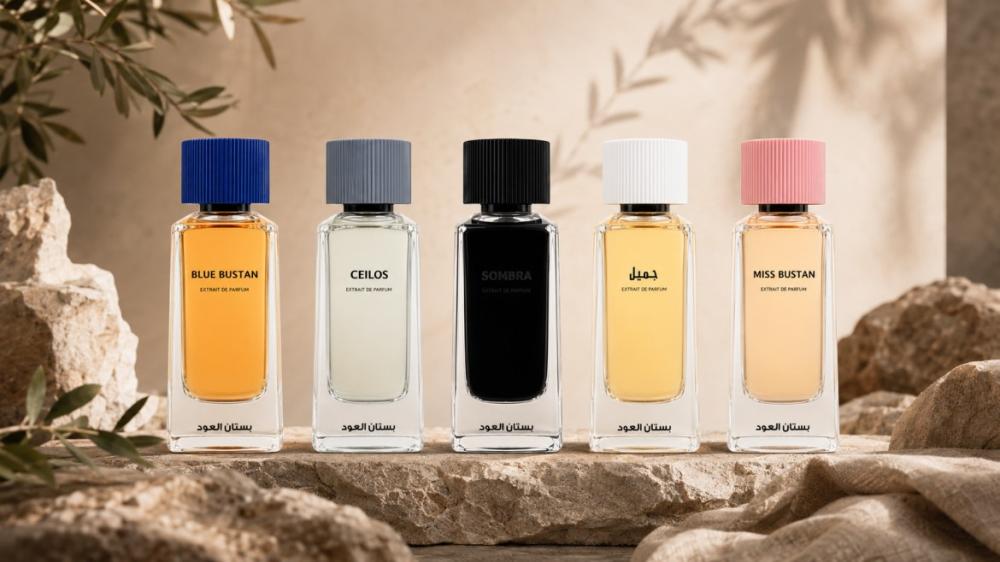
As a Saudi store specialized in 100% original perfumes, Bustan Al Oud offers a wide range of high-quality fragrances, focusing on precision and excellence to meet your needs at reasonable prices. Whether you are looking for a long-lasting perfume or tips to preserve it, we will help you understand the basics and apply them effectively. Let’s start by exploring the main reasons why perfumes don’t last long, then move on to practical solutions.
Why doesn’t perfume last long?
Before learning how to make perfume last longer, it is important to understand the root causes of poor longevity. Perfume is not just a spray; it is a chemical composition that interacts with your body and environment. Here are the most common reasons:
Skin type and moisture level:
Dry skin is one of the biggest enemies of fragrance longevity. When the skin is dry, it absorbs fragrance oils quickly, causing the scent to fade within a few hours. On the other hand, oily skin helps retain the scent longer because natural oils hold fragrance molecules better. Experts suggest that dryness can reduce longevity by up to 50%.
Low fragrance concentration:
Perfumes come in different concentrations, such as Eau de Toilette (EDT) with 5–15% oil, and Eau de Parfum (EDP) with 15–20%. Lower concentrations naturally fade faster, especially light citrus-based scents compared to woody or musky ones.
Improper storage:
Storing perfume in heat or direct light causes chemical breakdown. For example, keeping it in a humid bathroom reduces its quality over time. Heat and oxygen exposure alter the formula and reduce performance.
Environmental and body factors:
Hot weather, humidity, sweating, and physical activity can speed up evaporation. Hormonal changes or certain medications may also affect how a fragrance develops on the skin.
Application mistakes:
Rubbing wrists after spraying creates heat that breaks fragrance molecules. Spraying too close concentrates the scent in one area instead of distributing it properly.
7 simple tips from fragrance experts
Now that we understand the causes, here are practical solutions inspired by perfume experts and customer experience:
- Moisturize your skin before applying perfume – Hydrated skin holds fragrance longer.
- Use unscented lotion – It creates a perfect base for better longevity without interfering scents.
- Apply perfume on pulse points – Such as wrists, neck, behind the ears, and inner elbows for better diffusion.
- Do not rub your wrists together – Let the perfume dry naturally to preserve its structure.
- Apply after showering – Open pores absorb fragrance more effectively.
- Store perfume properly – Keep it in a cool, dark place away from heat and sunlight.
- Spray lightly on clothes (carefully) – This can add an extra layer of longevity, but avoid delicate fabrics.
Common mistakes that reduce perfume longevity
- Rubbing wrists after application
- Over-spraying in one go
- Ignoring expiration dates (3–5 years lifespan)
- Applying perfume only on clothes
- Storing perfume in the bathroom
- Not testing perfume on skin before use
By avoiding these mistakes and following the right techniques, you can significantly improve how long your perfume lasts and enjoy a richer fragrance experience throughout the day.